
Do you ever feel like your marketing creates activity, but progress still feels uneven?
Are leads entering your ecosystem, yet follow-up timing depends on reminders, inbox checks, or manual tracking?
Many insurance agencies experience this as they grow. Marketing expands across channels, inquiries arrive at different moments, and teams try to stay responsive while balancing daily service work. Interest exists, but visibility into buyer movement feels limited.
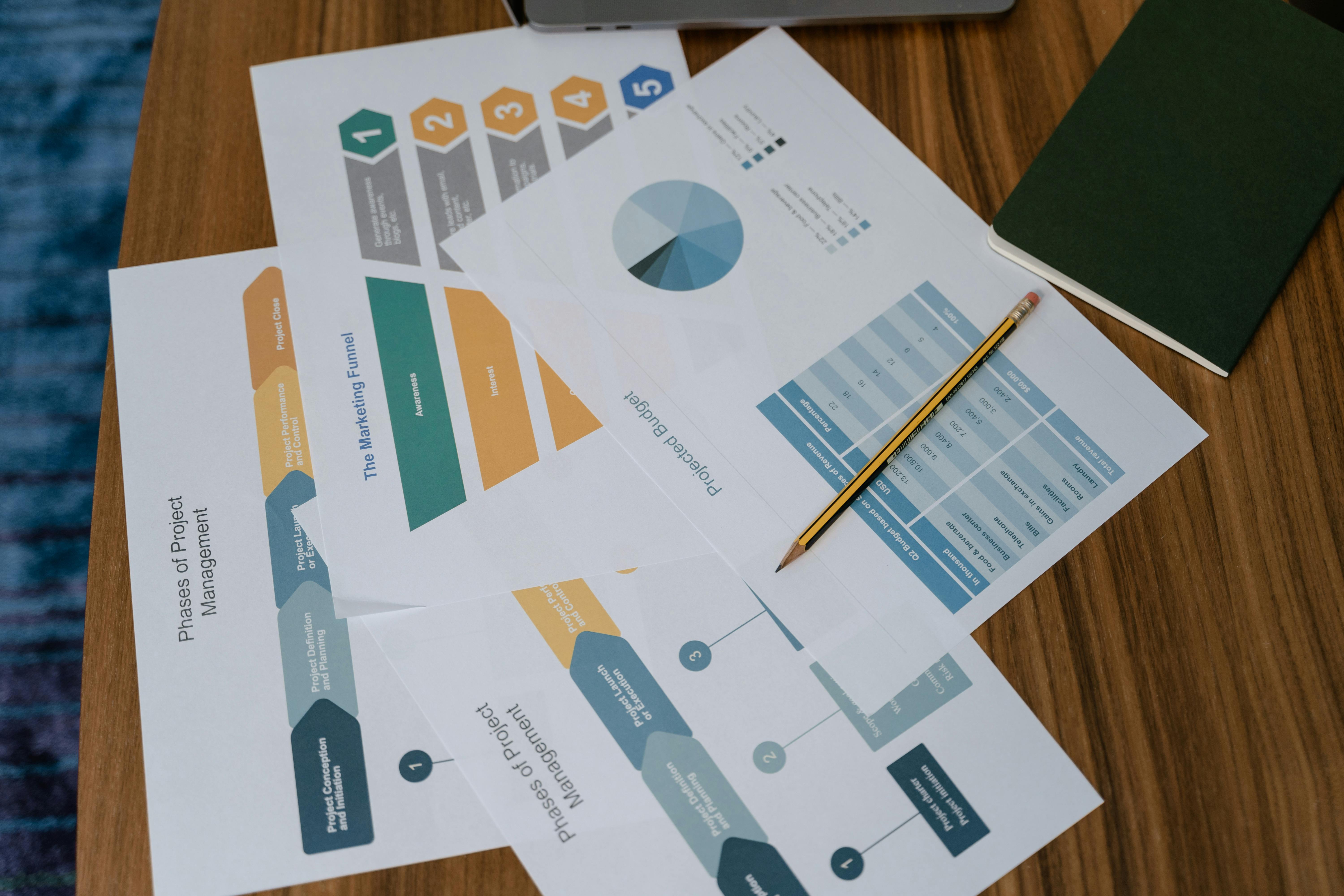
Insurance marketing funnels help agencies organize their marketing activities. They create structure for how buyers move through awareness, consideration, and decision-making without imposing rigid timelines.
In this article, you will learn how insurance marketing funnels actually function, why buyer movement rarely follows a straight path, and how agencies use structure and automation to stay visible as timing changes.
What is an insurance marketing funnel?
An insurance marketing funnel is a documented framework that helps agencies track how interest develops over time. It outlines how prospects enter your ecosystem, how engagement is maintained, and how opportunities progress toward a decision.
Rather than focusing on steps, funnels help agencies understand intent. A prospect may engage with content, pause, return months later, and then request a quote. The funnel provides a way to recognize that movement without relying on memory.
When funnels are documented, teams gain shared visibility into where attention is needed and where interest already exists.
How buyer movement typically unfolds inside insurance funnels
Buyer journeys rarely move in sequence. Interest often appears in waves, shaped by life events, renewals, referrals, or changing priorities.
A prospect might download a guide early in the year, open an email months later, and schedule a call after seeing a colleague's case study. Each interaction builds context, even when timing stretches.
Funnels help agencies track these interactions so engagement remains consistent across long cycles.
Why most prospects are not ready to act immediately
A large portion of your audience enters your ecosystem to learn, observe, or compare. Some are gathering information. Others are waiting for the timing to align.
Funnels allow agencies to remain present during this period by organizing communication and follow-up that reflect buyer readiness.
This approach helps agencies avoid losing visibility when interest pauses, which often happens between touchpoints.
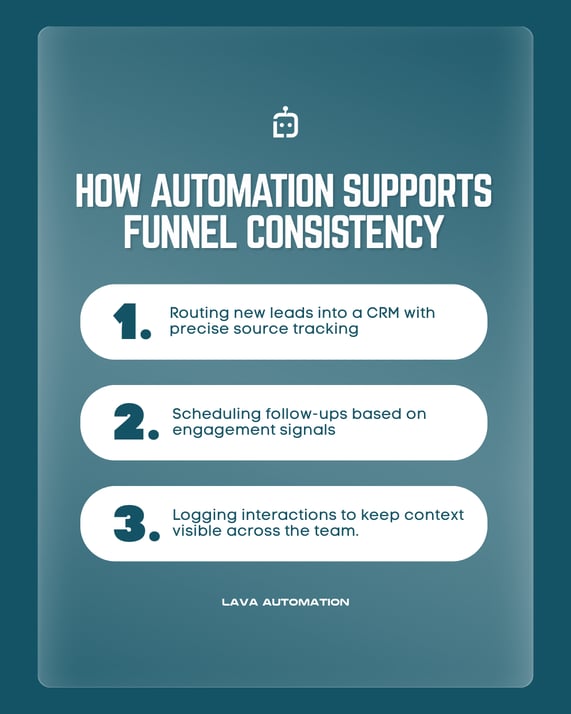
How automation supports funnel consistency
Automation supports insurance marketing funnels by keeping engagement organized as volume grows. It helps ensure that interest is acknowledged, tracked, and revisited at the appropriate time.
Common areas where automation supports funnel activity include:
Routing new leads into a CRM with precise source tracking
Scheduling follow-ups based on engagement signals
Logging interactions to keep context visible across the team.
Automation creates continuity by reducing reliance on manual reminders and individual oversight.
How diverse engagement paths strengthen funnel performance
Not every prospect engages the same way. Some prefer educational content. Others respond to direct outreach. Some return through referrals after long gaps.
Funnels support this variation by allowing multiple engagement paths to coexist. Email, content, social touchpoints, and follow-up sequences can all feed into the same framework.
This flexibility helps agencies remain responsive without forcing buyers into predefined timelines.
How agencies use funnels to improve follow-up and visibility
When funnels are documented and automated, teams gain clearer insight into what is happening within their marketing systems.
Leaders can see:
Where leads are entering
Which interactions are occurring
Where follow-up is needed
This visibility supports better decision-making and reduces the risk of missed opportunities caused by timing gaps.
How Lava Automation supports insurance marketing funnels
At Lava Automation, we help insurance agencies build funnels that align with real operational environments. Our approach focuses on clarity, documentation, and systems that support long buying cycles.
We work with agencies to structure marketing funnels that integrate with automation and virtual assistant support, so engagement remains consistent even as volume grows.
This foundation helps teams stay visible, organized, and responsive without adding unnecessary complexity.
If you want to see how this model works in practice, your next step is to explore Why Does Insurance Automation Require a Virtual Assistant? and understand how systems and support reinforce one another as agencies scale.
Frequently Asked Questions
Do insurance marketing funnels require complex systems?
Funnels can be supported by simple tools when documentation and visibility are clear. Complexity often grows only when structure is missing.
Are funnels only for agencies focused on digital marketing?
Funnels apply to referrals, inbound inquiries, outbound campaigns, and long-term relationship building.
How long does it take for a funnel to show results?
Funnels provide visibility immediately. Outcomes improve as engagement data accumulates over time.
Can automation help manage long buyer cycles?
Yes. Automation helps track engagement and maintain follow-up when buyer timing extends across months.
How does Lava Automation support funnel implementation?
Lava helps agencies design funnels that integrate automation and virtual assistant support to maintain consistency and visibility.
