
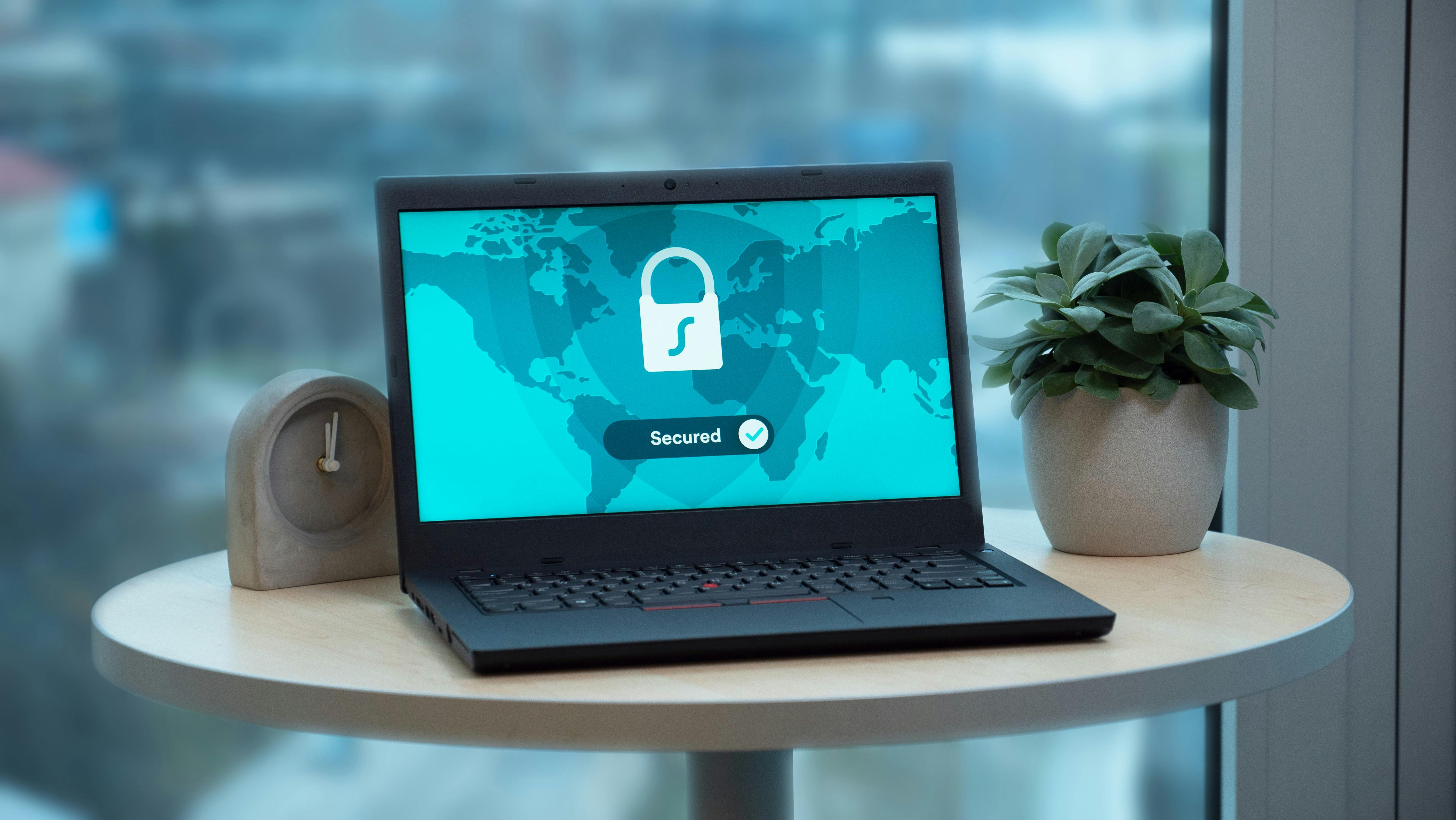
Have you ever assumed that enterprise-level security was only realistic for large organizations?
Do you wonder whether your business can continue to grow without losing clarity around who has access to your systems and data?
Across service-based industries, businesses now handle sensitive information much earlier in their growth than they once did. Client records, financial documents, and internal workflows live across CRMs and shared tools long before formal security teams exist. As teams expand and more people need access, informal security habits begin to stretch.
At Lava Automation, we have supported hundreds of growing businesses operating inside system-heavy, compliance-sensitive environments. Across those organizations, one pattern appears repeatedly. Security challenges often emerge as growth introduces more access and delegation than informal practices can support.
This article explains why security often becomes harder to manage as businesses scale, how SOC 2 introduces structure at that stage, and what security discipline looks like in daily operations.
Why does security start to feel harder as businesses grow?
Most small and mid-sized businesses do not ignore security. Early on, trust and familiarity are often enough. Teams are small, access is limited, and leaders usually know who touches which systems and why. Oversight feels manageable because activity stays visible.
As the business grows, that balance changes. New roles require access. Vendors and virtual assistants enter workflows. Systems multiply. Decisions that once felt obvious become harder to track across tools and people.
Without a formal structure in place, certain patterns begin to appear:
Access is granted quickly to keep work moving
Permissions expand faster than documentation.
Security expectations remain informal.
Oversight depends on memory instead of the process
This shift is rarely intentional. It reflects growth reaching a point where informal habits no longer provide enough consistency.
What does enterprise-level security look like in daily operations?
Enterprise-level security is commonly discussed in terms of tools and technical depth. In practice, it shows up through consistency in how access is granted, reviewed, and adjusted as responsibilities change.
In day-to-day work, that consistency includes:
Access tied to defined roles
Documented procedures for handling sensitive information
Visibility into system activity
Processes for reviewing permissions over time
These elements reduce reliance on assumptions. They allow teams to delegate work while maintaining awareness of who can do what inside their systems.
Over time, security begins to feel embedded in how work moves.
How does SOC 2 help growing businesses approach security?
SOC 2 provides a framework for defining and documenting security controls as businesses grow. Organizations establish how access is granted, how data is handled, and how systems are monitored.
Those controls are reviewed by an independent auditor. That review introduces greater clarity. Security practices become documented behaviors that can be examined and adjusted.
For growing businesses, this process removes guesswork and creates shared expectations around access and accountability without requiring a dedicated internal security department.
Why does verification become more important as businesses scale?
Verification makes security practices visible and reviewable.
When controls are reviewed independently, access decisions are documented, and activity can be traced. Exceptions become visible instead of remaining informal. Oversight shifts from individual awareness to shared process.
At this stage, size becomes less central to the discussion. What matters more is whether security expectations are defined, followed, and revisited as systems and responsibilities change.
Verification brings structure to security operations as growth continues.
How does SOC 2 affect who can safely access your systems?
Growth requires delegation. Delegation requires access.
Employees and virtual assistants need system permissions to perform their work. Without structure, access tends to expand faster than oversight. Over time, it becomes harder to answer simple questions about who has access and why.
SOC 2-aligned environments introduce guardrails that support responsible delegation:
Permissions are assigned based on role
Access changes are logged and reviewed.
Sensitive actions follow a documented escalation path
This structure allows businesses to extend operational capacity while maintaining visibility across systems.
For teams distributing administrative or operational work beyond core staff, access questions often surface early. Lava Automation Protects Insurance Agency Data offers a deeper look at how this structure holds when work is shared across roles and tools.
.png?width=582&height=582&name=ArticleWebsite%20Graphics%20Square%20(8).png)
What does SOC 2 alignment look like during everyday work?
SOC 2 goes far beyond audit periods and influences how routine operational decisions are made.
Devices follow defined controls. Processes are documented. System activity can be reviewed when questions arise. These practices reduce uncertainty as teams grow and responsibilities shift.
Many businesses notice this most clearly once automation, virtual assistants, and multiple systems operate together. Read How to Write Better SOPs for Insurance Agencies to explore how structure supports both execution and security in these environments.
How does Lava Automation apply SOC 2-aligned security?
At Lava Automation, SOC 2-aligned systems form the foundation that allows clients to extend access responsibly. Virtual assistants operate inside controlled environments where devices, permissions, and workflows follow documented standards.
Training occurs after placement and within client systems, with clear boundaries on responsibility and escalation. These boundaries support delegation while maintaining accountability.
SOC 2 provides a structure that supports clearer decisions as teams and systems expand.
Why structure is what allows security to scale
Security challenges rarely appear all at once. They surface gradually as teams grow, systems multiply, and access extends beyond the people who built the original workflows.
Businesses that rely on trust and informal habits often feel this strain before any formal review takes place. Questions about access, oversight, and sustainability tend to surface as growth continues
SOC 2 introduces structure at the point where informal practices begin to stretch. It helps security discipline keep pace with operational change.
At Lava Automation, we help growing businesses apply SOC 2-aligned systems so they can delegate work, expand access, and scale operations with greater clarity. If you are evaluating how your access controls would hold as your team grows, What to Expect When Hiring a Virtual Assistant is often a helpful next step.
Frequently Asked Questions
Is SOC 2 only relevant for large organizations?
No. SOC 2 is often valuable for small and mid-sized businesses that need formal structure without internal security teams.
Does SOC 2 make security automatic?
No. SOC 2 verifies that controls exist and are followed. Oversight and involvement still matter.
What changes when a provider operates within SOC 2 standards?
Access rules, documentation, and monitoring are defined and reviewed rather than assumed.
Can small teams realistically maintain this level of security?
Yes. SOC 2 provides a framework that supports consistency without a custom security infrastructure.
Does SOC 2 replace internal responsibility?
No. It supports clearer decision-making but does not remove accountability.
